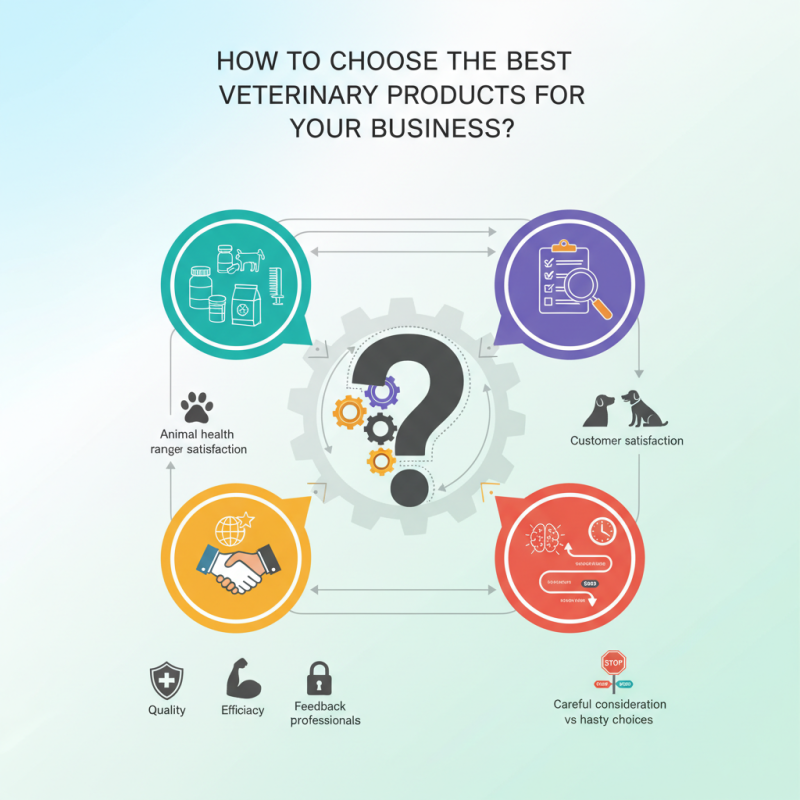
Choosing the best veterinary products for your business is crucial for success. The right products can enhance animal health and improve customer satisfaction. However, with so many options available, making the right decision can be overwhelming.
Veterinary products are diverse. They include medications, nutritional supplements, and grooming supplies. Each product serves a unique purpose. Understanding the specific needs of your practice and your clients is key. Consider factors like quality, efficacy, and safety when evaluating products.
Take time to research suppliers. Their reputation and reliability matter. Seek feedback from other professionals in the field. This can reveal valuable insights. Keep an open mind, as some products may require more reflection before commitment. You don't want to make hasty choices that could harm your business. With careful consideration, you can find the veterinary products that best suit your needs.
Identifying your business needs and objectives is crucial when selecting veterinary products. Start by assessing your target clientele. Do you cater to pets, livestock, or exotic animals? Different markets require different products.
Consider the specific challenges your business faces. For instance, are you dealing with high patient turnover or chronic health issues in animals? Tailoring your product selection to meet these challenges can improve care and strengthen client loyalty.
Tips: Always gather feedback from your team. They are on the front lines and can provide insights on product effectiveness. Analyze inventory levels to avoid overstocking, which ties up resources. Remember, not all products may suit your practice; be willing to re-evaluate your choices over time. Regularly reviewing your goals will ensure you stay aligned with your clients’ needs.
| Product Category | Product Type | Key Features | Price Range | Target Animals |
|---|---|---|---|---|
| Medications | Antibiotics | Broad-spectrum, fast-acting | $50 - $200 | Dogs, Cats |
| Nutritional Supplements | Joint Health | Contains glucosamine, chondroitin | $25 - $75 | Dogs, Cats |
| Diagnostic Tools | Blood Test Kits | Quick results, easy to use | $100 - $400 | All Animals |
| Surgical Equipment | Scalpel Sets | High-quality stainless steel | $150 - $500 | All Animals |
| Grooming Products | Shampoos | Hypoallergenic, moisturizing | $10 - $30 | Dogs, Cats |
When considering veterinary products, it's crucial to understand the variety available. Products range from pharmaceuticals to dietary supplements and medical equipment. According to a 2022 report by Global Market Insights, the veterinary products market is projected to exceed $40 billion by 2028. This growth emphasizes the importance of staying informed about these products.
Pharmaceuticals are vital in treating animal illnesses. Pain management drugs and antibiotics are commonly used. Additionally, vaccines play a critical role in preventing diseases in pets and livestock. A recent survey showed that 75% of veterinarians prioritize vaccination due to its effectiveness. Dietary supplements also hold significance. They support overall animal health and can mitigate specific conditions. A study indicated that 68% of pet owners use supplements for their pets, highlighting a growing trend.
It's essential to evaluate the quality and efficacy of available products. Consideration should be given to sourcing from reputable manufacturers. An analysis from the National Animal Health Monitoring System noted that nearly 30% of veterinary practices reported challenges with product reliability. Thus, scrutiny in product selection is paramount. Always staying informed about industry trends can aid informed decisions.
When selecting veterinary products, evaluating product quality and brand reputation is vital. High-quality products ensure the safety and well-being of the animals in your care. Look for products that are backed by scientific research and proven efficacy. This gives you confidence that you are making the right choices for your practice. Brands with transparent sourcing and manufacturing processes often indicate a commitment to quality.
It's essential to consider customer feedback and expert reviews. These provide insights into the product’s reliability and effectiveness. Engage with your peers in the veterinary community to gather their experiences. Often, these discussions reveal which brands consistently deliver satisfactory results and which ones fall short. However, some seemingly reputable brands might have inconsistencies in their product lines. Regularly reflecting on your previous purchases can help identify which products truly work best for your practice.
Trusting a brand’s reputation isn’t always straightforward. Claims made by manufacturers may not always align with real-world outcomes. Therefore, conducting due diligence is necessary. Regularly reassessing which products resonate with your values and standards can help you avoid pitfalls. Quality and reputation should never be taken at face value. Instead, strive for a deeper understanding, as this ultimately leads to a healthier environment for the animals you serve.
When choosing veterinary products, understanding regulatory compliance and safety standards is essential. The veterinary industry is governed by strict guidelines to ensure animal and public safety. According to a report by the American Veterinary Medical Association, nearly 70% of veterinary professionals have faced challenges related to product compliance. This highlights the importance of selecting products that meet established safety standards.
Regulatory bodies, such as the FDA and EPA, play critical roles in overseeing veterinary products. They ensure that each product is safe and effective for intended use. Using products with proper certifications not only safeguards animal health but also builds trust with clients. This trust is crucial for maintaining a successful veterinary practice.
**Tip:** Always verify the product labels for compliance with national regulations.
Consider conducting regular audits of your product inventory. This can help identify any compliance gaps. It's often easy to overlook certain products. A recent survey noted that 45% of practices had not updated their inventory in over a year. Awareness of what you stock can prevent potential legal issues.
**Tip:** Engage with industry professionals to stay informed about evolving regulations.
Being proactive in compliance helps avoid costly mistakes. This can also lead to better patient outcomes. Strive to foster a culture of safety within your practice, where every team member understands the importance of using compliant and safe veterinary products.
Choosing the right veterinary products involves careful consideration of pricing and supplier options. A reliable supplier can impact the quality and cost-effectiveness of the products. According to a report by the American Veterinary Medical Association, 40% of veterinary practices ranked supplier relationships as critical to their business success.
When comparing prices, consider total cost, including shipping and handling. Discounts may seem attractive, but hidden fees can negate savings. Research reveals that up to 30% of veterinary clinics report overspending on products due to lack of comparison shopping.
Tips: Always request samples before bulk orders. This minimizes risks and ensures product quality. Communicate with peers to discover reliable suppliers. Networking often yields valuable insights into effective purchasing strategies. Establishing long-term relationships with trustworthy suppliers may lead to better pricing over time.
Reflecting on the need for flexibility in supplier choices is essential. Markets change, and so do the needs of your practice. Be willing to reassess vendor relationships regularly to ensure your business stays competitive and sustainable. Seek continuous improvement for your purchasing processes.
: Veterinary products include pharmaceuticals, dietary supplements, and medical equipment. Each serves a specific purpose for animal care.
Vaccines prevent diseases in pets. About 75% of veterinarians emphasize vaccination for effective disease control.
Evaluate the quality and efficacy of products. Sourcing from reputable manufacturers helps ensure reliability.
Compliance is crucial for safety. Nearly 70% of professionals face challenges with product compliance, impacting practice success.
Regulatory bodies oversee product safety and effectiveness. Proper certifications safeguard animal health and build client trust.
Comparing prices thoroughly is key. Up to 30% of clinics overspend due to not comparing shopping options.
Regular audits of product inventory can identify compliance gaps. Awareness of stocked products is critical for legal safety.
Reliable suppliers impact product quality and cost-effectiveness. About 40% of practices view supplier relationships as vital.
Request samples before bulk orders. This helps minimize risks and ensures the quality of products utilized.
Many practices fail to update their inventory regularly. Awareness of stock can help prevent accidental legal issues.
When selecting the best veterinary products for your business, it's crucial to begin by identifying your specific needs and objectives. This will serve as the foundation for your research into the various types of veterinary products available in the market. During your research, pay close attention to product quality and the reputation of the brands offered, as these factors will significantly influence the long-term success of your veterinary practice.
Additionally, consider the regulatory compliance and safety standards associated with the products you are evaluating. Ensuring that these standards are met protects both your clients and their pets. Finally, compare pricing and supplier options to obtain the best value without compromising quality. By following these steps, you can make informed decisions and select the most suitable veterinary products to meet the needs of your business.

WANJIA