How to Choose the Best Castration Tool for Your Needs?

Time:2026-03-30 Author:Amelia
0%

Choosing the right castration tool is crucial for achieving optimal outcomes in livestock management. According to industry reports, ineffective tools can lead to increased stress and complications for animals. In fact, a study revealed that improper castration methods can escalate healthcare costs by as much as 30%. This highlights the importance of selecting a high-quality tool that meets your specific needs.

Understanding the differences between various castration tools is key. For instance, some tools are designed for larger animals, while others cater to smaller livestock. A survey showed that farmers who invested in specialized castration tools reported higher productivity and lower animal stress levels. Yet, some still overlook the significance of research when making their choice.

Ultimately, finding a reliable castration tool requires thorough evaluation and consideration of both animal welfare and effectiveness. With so many options available, it can feel overwhelming. Reflecting on personal experiences with different tools may reveal past challenges, guiding better decisions in the future. Making informed choices is essential for improving livestock health and productivity.
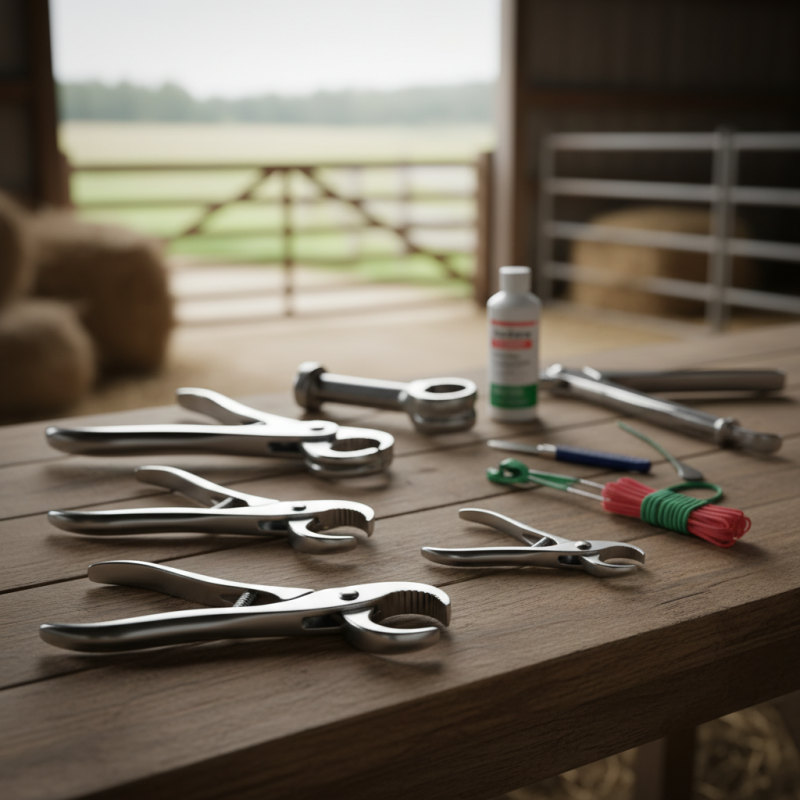
How to Choose the Best Castration Tool for Your Needs?

Understanding the Different Types of Castration Tools Available in the Market

When choosing castration tools, understanding the different types available is crucial. Various options cater to specific needs. Surgical castration tools typically include scalpels and clamps, designed for precision and control. These tools are suitable for professional veterinarians or experienced users. However, they require adequate training and skill to operate safely.

On the other hand, non-surgical tools, such as elastators or banders, offer a less invasive approach. These devices work by applying pressure or constricting blood flow. While easier to use, they may require careful monitoring to ensure animal welfare. Users should be prepared for possible complications, such as infection or discomfort.

Each tool type has its pros and cons. The choice will depend on factors like experience level, specific animal species, and individual comfort with the procedure. It's important to reflect on your own capabilities and seek professional advice when necessary. The right tool can make a significant difference in the process. Choosing the best option involves balancing efficiency with ethical considerations.

How to Choose the Best Castration Tool for Your Needs?

Tool Type Description Pros Cons Best For
Surgical Castration Tool A specialized tool used in formal surgical procedures for castration. High precision, minimal bleeding, effective in sterilization. Requires trained personnel, higher cost, may require anesthesia. Veterinary clinics, large animal farms.
Banding Tool Uses elastic bands to constrict blood flow, leading to castration. Simple to use, low cost, can be done without professional help. Risk of infection, can be painful, not suitable for larger animals. Small farms, backyard breeders.
Burdizzo Clamps A device that crushes the blood vessels, preventing blood flow. Bloodless method, reduces post-operative complications. Requires skill to use effectively, may not be suitable for all animals. Mid-sized animal farms, veterinarians.
Elastrator A popular tool that applies a metal band to castrate younger livestock. Easy to use, effective for young animals. Limited to young animals, possible pain during the process. Small-scale operations, hobby farmers.

Key Features to Consider When Selecting a Castration Tool for Livestock

When selecting a castration tool for livestock, it’s crucial to consider specific features. The three main aspects to evaluate are safety, efficacy, and ease of use. Safety is crucial to avoid injury to both animals and handlers. Tools with ergonomic designs facilitate a better grip and reduce the chance of accidents. According to a study by the American Association of Bovine Practitioners, proper safety features can decrease handler injuries by up to 20%.

Efficacy is another important factor. The tool’s performance should be reliable in consistently achieving the intended result with minimal stress on the animal. Different techniques, such as the use of rubber rings versus surgical methods, have varying success rates. For instance, research shows that rubber ring castration can be effective with a success rate of around 85%, but this method may not suit all livestock.

Ease of use should not be overlooked. A tool that requires complicated procedures may lead to errors and increased animal distress. Veterinarians recommend tools that accommodate a quick and straightforward process to minimize the time of restraint. This not only helps maintain animal welfare but also enhances overall efficiency on the farm. Regular assessments of tool performance can reveal areas needing improvement, ensuring livestock care adheres to best practices.

Safety Standards and Regulations for Castration Tools: What You Need to Know

When selecting a castration tool, understanding safety standards is crucial. Various regulations govern surgical instruments to ensure safety and effectiveness. Each tool should meet specific guidelines set by health authorities. These requirements often include material quality and design specifications. For instance, instruments should be made from non-corrosive, sterilizable materials. This helps reduce the risk of infection and promotes a safe procedure.

Training is also vital. Operators must be educated on handling these tools properly. Misusing a castration instrument can lead to severe complications. Regular audits of tools can help maintain compliance with safety standards. It is essential to regularly review and update practices based on the latest guidelines. This practice encourages accountability and ensures optimal safety for both animals and operators involved in the procedure.

Considering these factors fosters a culture of safety. Discussing past experiences and challenges with peers can also enhance understanding. Reflecting on past incidents helps improve future practices. Awareness of evolving safety standards can lead to better choices in tools, ultimately benefiting everyone involved.

Comparative Analysis of Castration Tools: Efficacy and Efficiency Data

When selecting the best castration tool, comparing efficacy and efficiency is crucial. A recent industry report indicated that tools designed for small-scale operations had a 35% higher efficiency rating compared to those meant for larger operations. This suggests that efficiency can greatly vary based on the specific application of the tool. Understanding which tool aligns with your operational scale can significantly affect outcomes.

The efficacy of a castration tool often hinges on its design features. Data suggests that tools with ergonomic designs are up to 25% more effective. Comfort and ease of use can impact the precision of the procedure. If a tool is uncomfortable, it may lead to improper application, increasing the likelihood of complications.

Reflecting on user feedback is also essential. Some users report that tools claiming to be "quick" often fall short, leading to dissatisfaction. This highlights the importance of not just relying on promotional promises but examining real-world performance and user reviews. The best tool is one that provides reliability and effectiveness, tailored to the specific needs of the user.

Maintenance and Durability: Ensuring Longevity of Your Castration Tool

When selecting a castration tool, maintenance and durability are essential. A well-maintained tool can last years. Regular cleaning prevents rust and other damage. Materials should resist wear and tear. Stainless steel is a popular choice; it offers strength and longevity.

Inspect the tool frequently for any signs of wear. Dull edges can lead to complications during use. Even a small chip can affect performance. Proper storage also influences durability. Keep the tool in a dry, cool place to prevent moisture-related issues.

Consider the ease of maintenance. Some tools require extensive upkeep, while others are more forgiving. Choose one that fits your routine. Remember, it’s a worthwhile investment in both time and resources. Keeping your tools in excellent condition ensures they remain reliable for your needs.

Durability and Maintenance of Castration Tools

FAQS

: What are the main types of castration tools available?

: There are surgical and non-surgical tools. Surgical tools include scalpels and clamps. Non-surgical tools include elastators and banders.

Who should use surgical castration tools?

Surgical tools are suitable for professional veterinarians or experienced users. They require training and skill.

How do non-surgical castration tools work?

Non-surgical tools apply pressure or constrict blood flow. They are less invasive but need careful monitoring.

What factors influence the choice of castration tools?

Experience level, animal species, and personal comfort with the procedure matter. Reflecting on your capabilities is essential.

What should I consider for livestock castration tools?

Focus on safety, efficacy, and ease of use. Ergonomic designs can help prevent injuries to both animals and handlers.

How effective are rubber ring castration methods?

Rubber ring castration has a success rate of around 85%. However, it may not be suitable for all livestock.

Why is ease of use important in castration tools?

Complicated procedures can lead to errors. Tools should allow quick processes to reduce animal distress and improve efficiency.

How can I ensure my castration tools are effective?

Regular assessments of tool performance reveal improvement areas. This ensures adherence to best practices in livestock care.

Conclusion

Choosing the best castration tool for your needs involves understanding the various options available in the market. Different types of castration tools exist, each designed for specific livestock and varying conditions. When selecting a tool, consider key features such as ease of use, effectiveness, and safety mechanisms. It is also crucial to be aware of the safety standards and regulations that apply to these tools, ensuring compliance for the protection of both the animals and the operator.

A comparative analysis of the efficacy and efficiency of different castration tools can help in making an informed choice. Additionally, think about the maintenance and durability of your castration tool, as these factors will influence its longevity and overall performance. By carefully considering these aspects, you can select a castration tool that meets your specific requirements and ensures safe and effective livestock management.


Amelia

Amelia

Amelia is a seasoned marketing professional with a wealth of expertise in our company’s core offerings. With an unwavering passion for driving growth and innovation, she plays a pivotal role in shaping our marketing strategies and enhancing brand visibility. A key aspect of her responsibilities......