Applications
Apiary Swarm Control
Capture outgoing swarms automatically without manual queen handling.
Queen Breeding Facilities
Isolate swarming behavior for precise colony reproduction.
Field Testing & Research
Study natural colony division and bee migration behavior.
Hive Splitting
Facilitate colony reproduction in spring and early summer.
Agricultural Supply Stores
A high-demand product during peak beekeeping seasons.
Product Features
One-Way Check Valve Design
Allows bees to exit freely while preventing re-entry, ideal for swarm isolation.
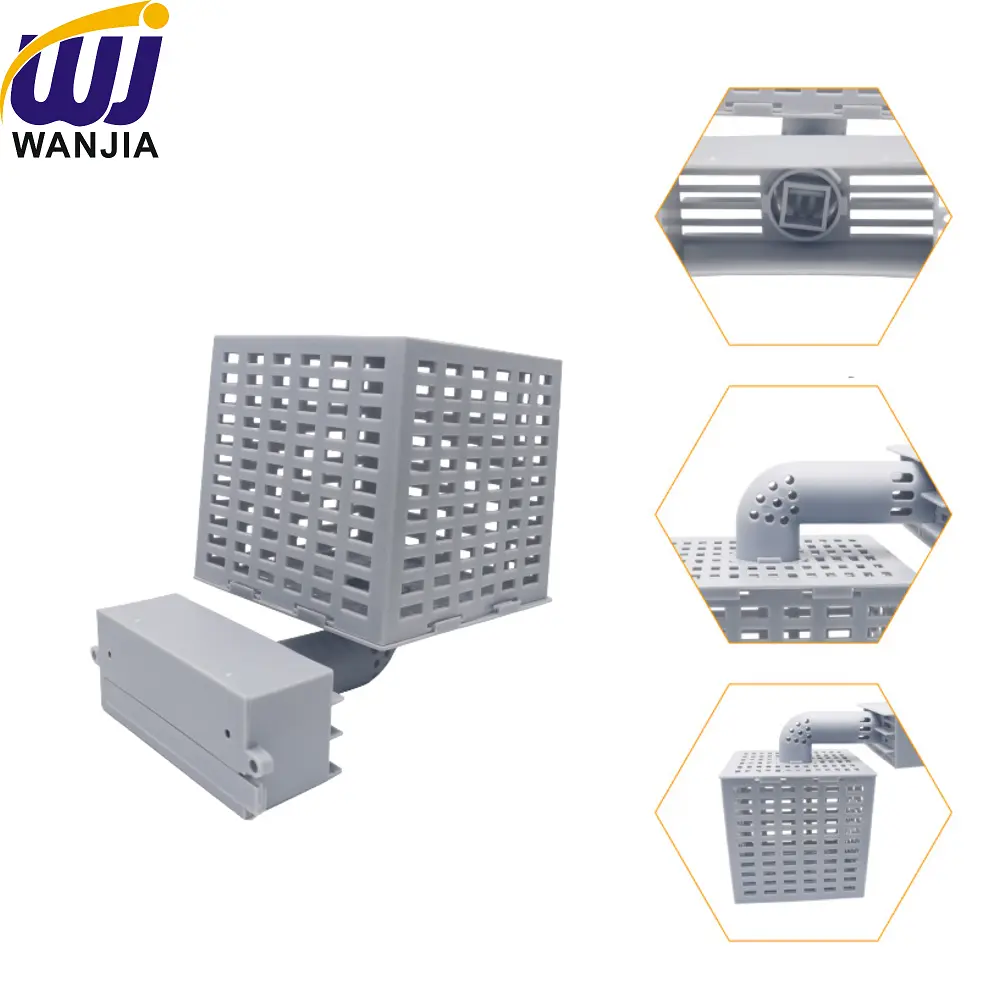
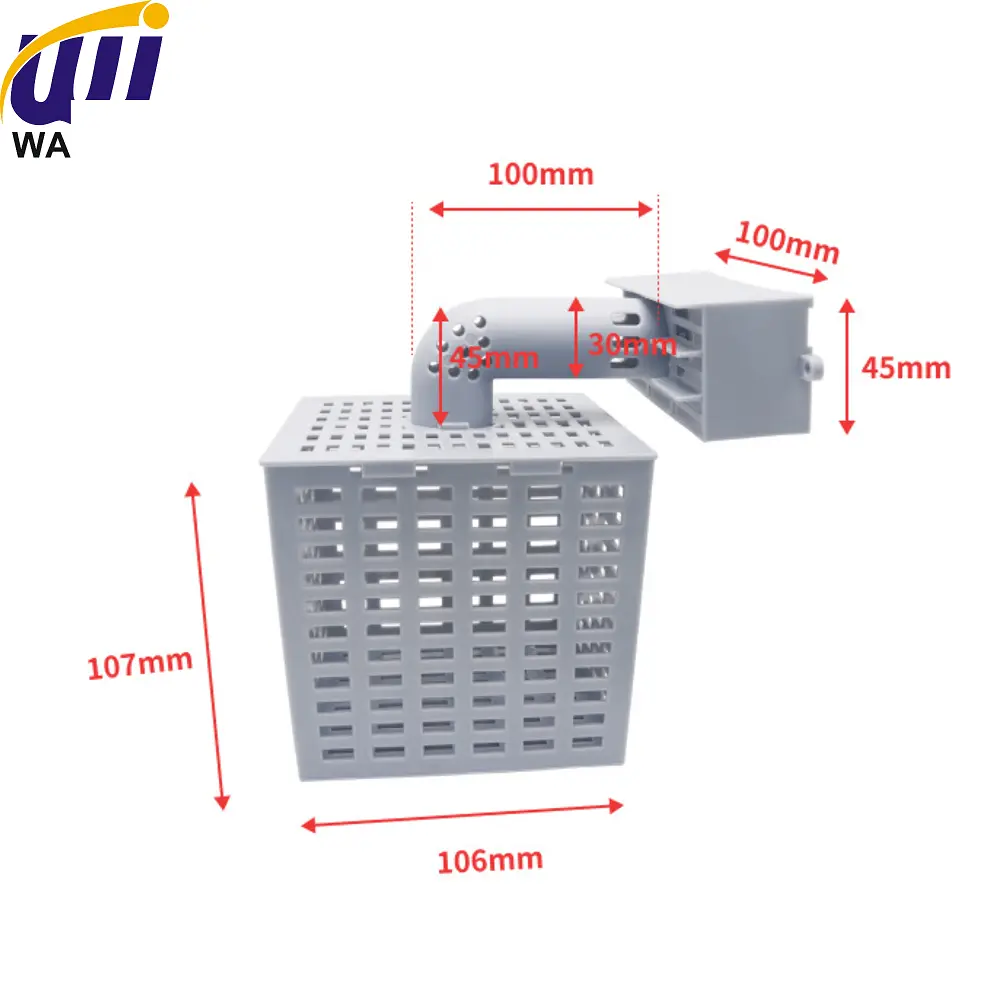
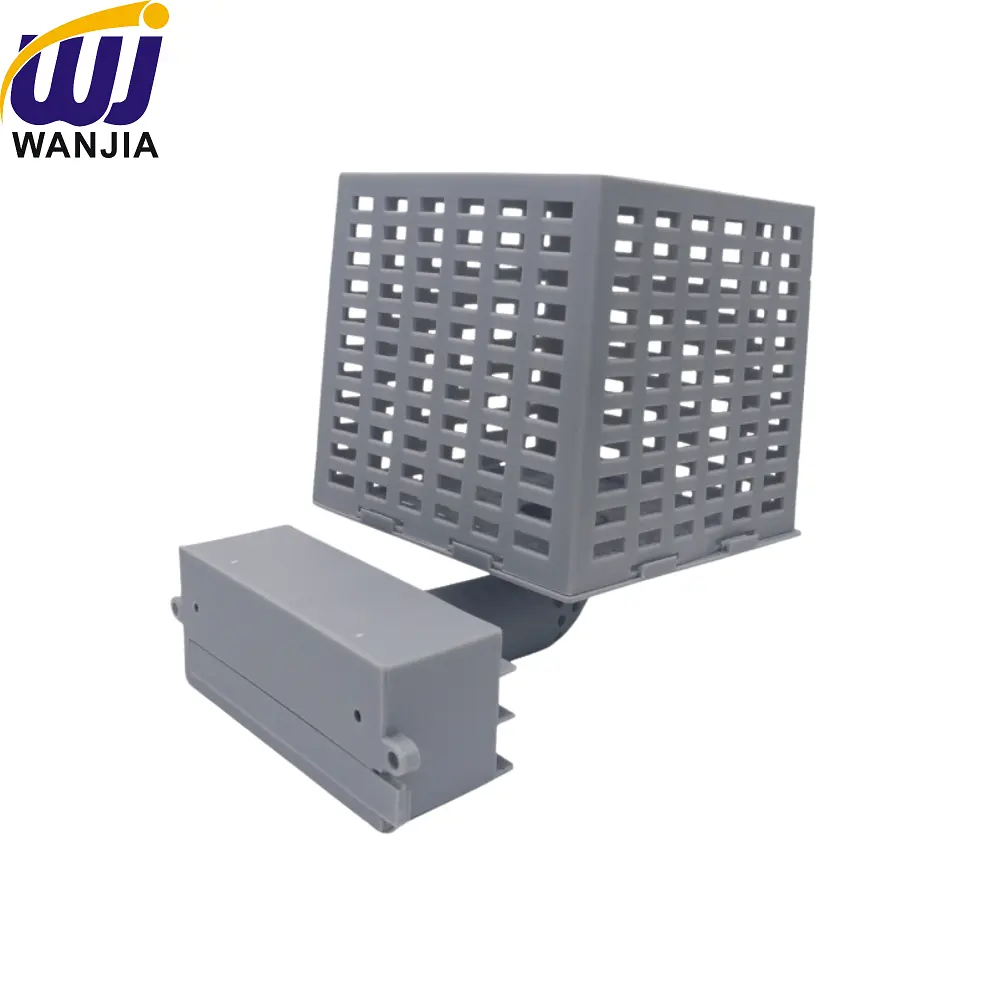
Ventilated Trap Cage
Ensures airflow and prevents suffocation during collection.
Dual Installation Modes
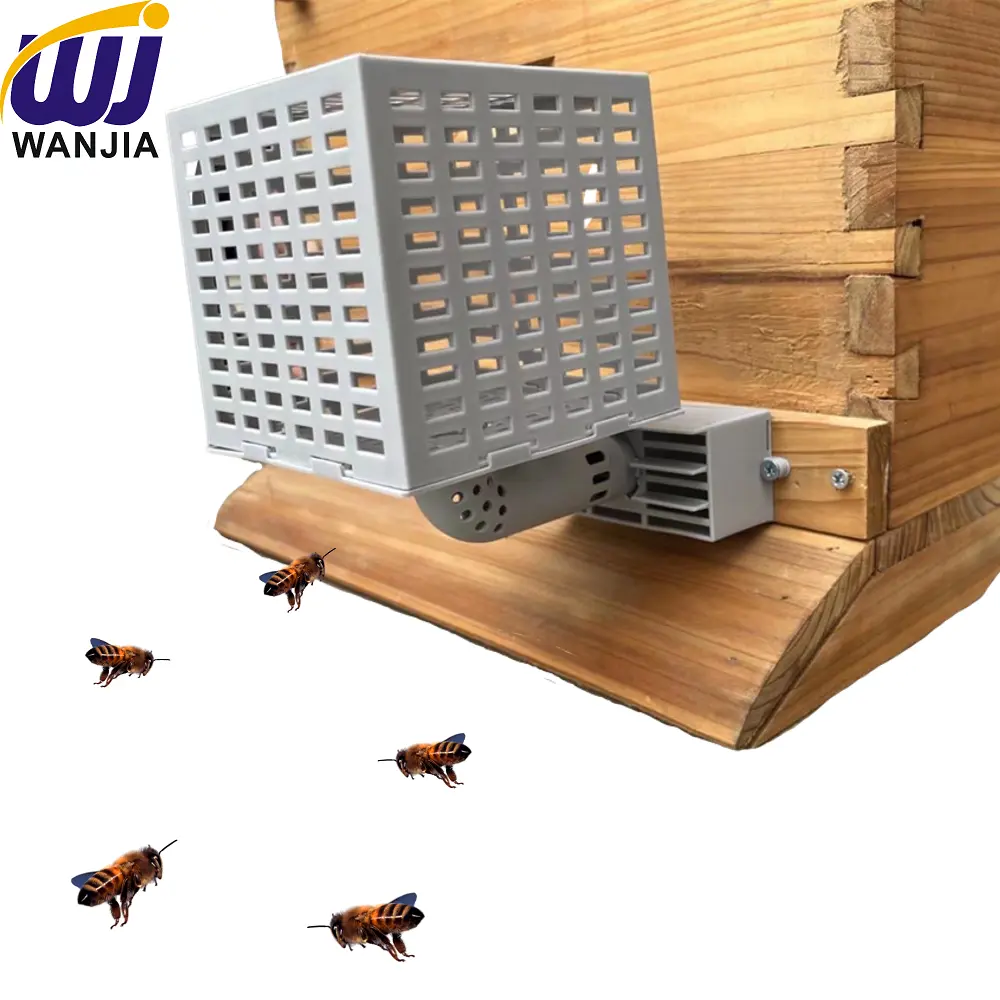
Use top or side mounting depending on hive structure (Method 1 & 2).
Universal Hive Fit
Compatible with Langstroth, Dadant, and custom wooden hives.
Durable PP Plastic
Weather-resistant construction for long outdoor use.
?
Frequently Asked Questions
What is the primary function of the One-Way Check Valve?
The one-way check valve design allows bees to exit the hive freely but prevents them from re-entering. This is essential for isolating swarms and managing colony reproduction.
Is this trap compatible with standard beehives?
Yes, it features a universal fit design that is compatible with Langstroth, Dadant, and most custom wooden hive structures.
How is the trap installed on the hive?
The product supports dual installation modes. Depending on your hive's specific structure, it can be mounted either on the top or on the side.
Will the bees suffocate while inside the trap?
No. The trap is designed with a ventilated cage that ensures constant airflow, keeping the bees safe and healthy during the collection process.
Is the material durable for outdoor beekeeping?
Absolutely. The trap is constructed from high-quality, weather-resistant PP plastic, designed to withstand long-term outdoor exposure in various climates.
When is the best time to use this swarm control trap?
It is most effective during peak beekeeping seasons, specifically in spring and early summer when natural colony division and swarming behavior are most active.
 WANJIA