 WANJIA

1 / 1
Standard Ear Tags are basic tools used for animal identification, widely applied in agriculture, livestock farming, and wildlife management. They help identify, track, and record animal information.

Made with high-performance materials, our products are wear-resistant and anti-aging, ensuring long-term use even in extreme conditions.

Using laser engraving or heat printing technology, markings remain clear and fade-resistant, enabling fast identification.

Scientifically designed products allow for quick and secure installation, saving time and labor costs while improving work efficiency.

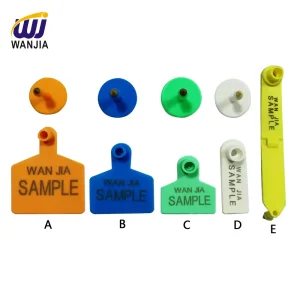
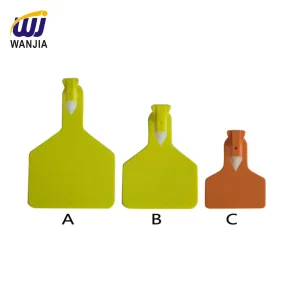
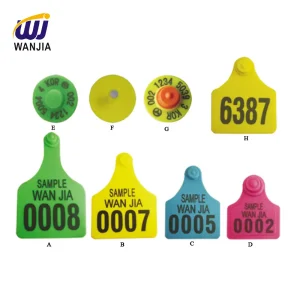
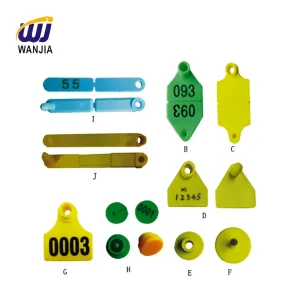
Available in various colors, shapes, and sizes, with personalized customization options (e.g., logos or serial numbers).

Smooth surfaces and rounded edges reduce irritation to animals, minimizing the risk of inflammation.

Superior quality and durability help clients significantly reduce long-term operating costs.
We prioritize customer needs by offering high-quality, cost-effective, and user-friendly products with efficient and reliable solutions for livestock management.
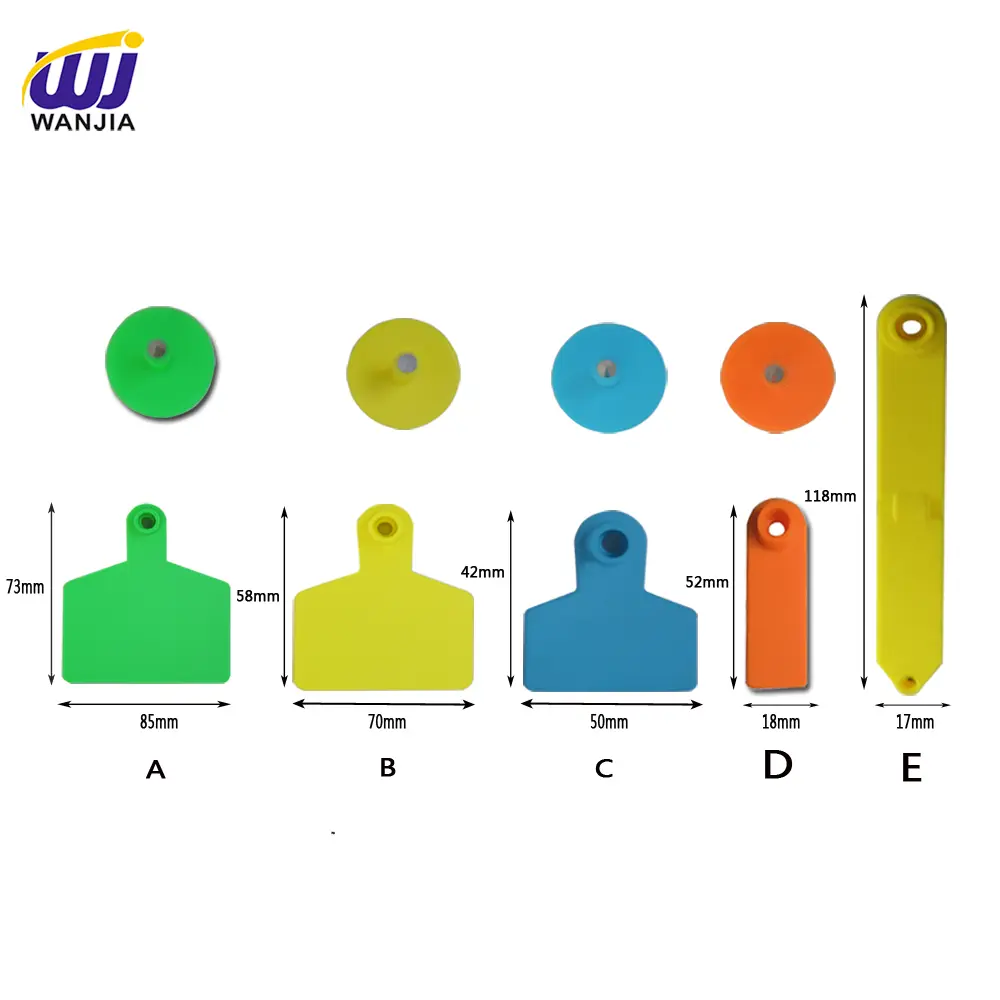
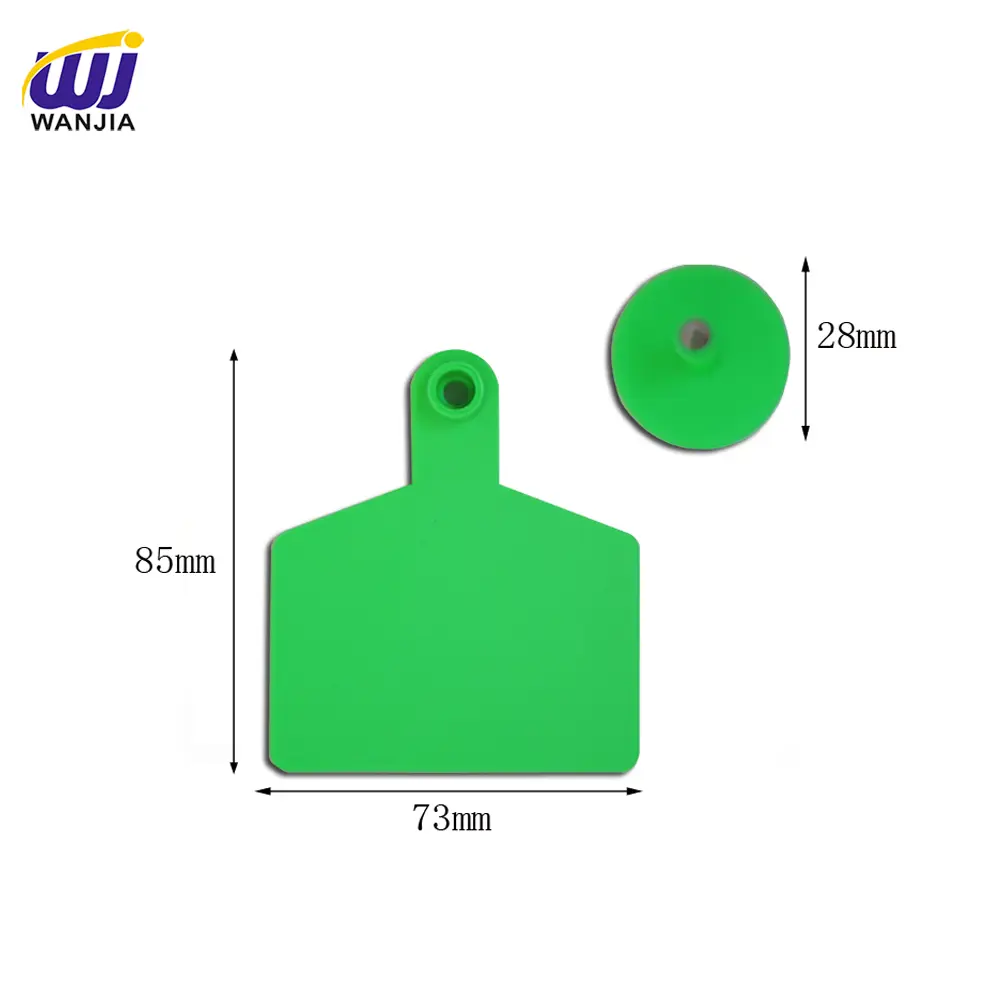
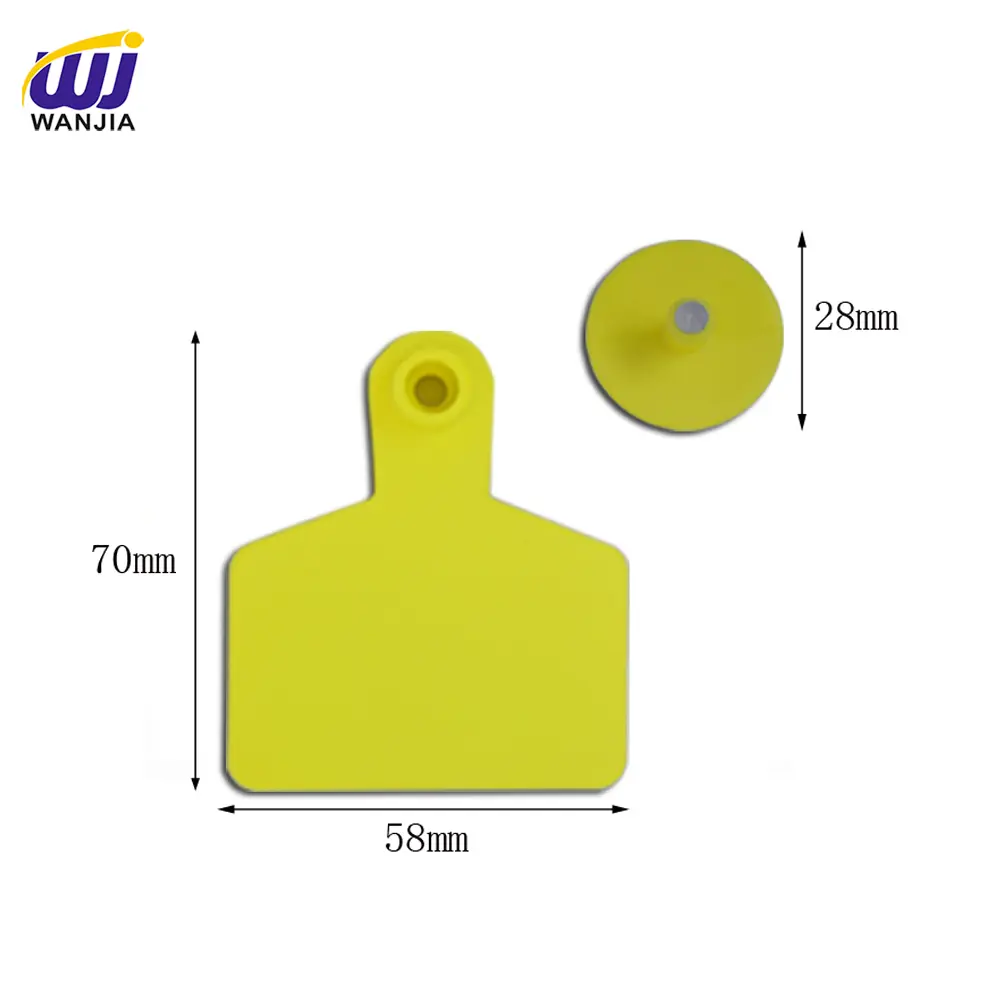
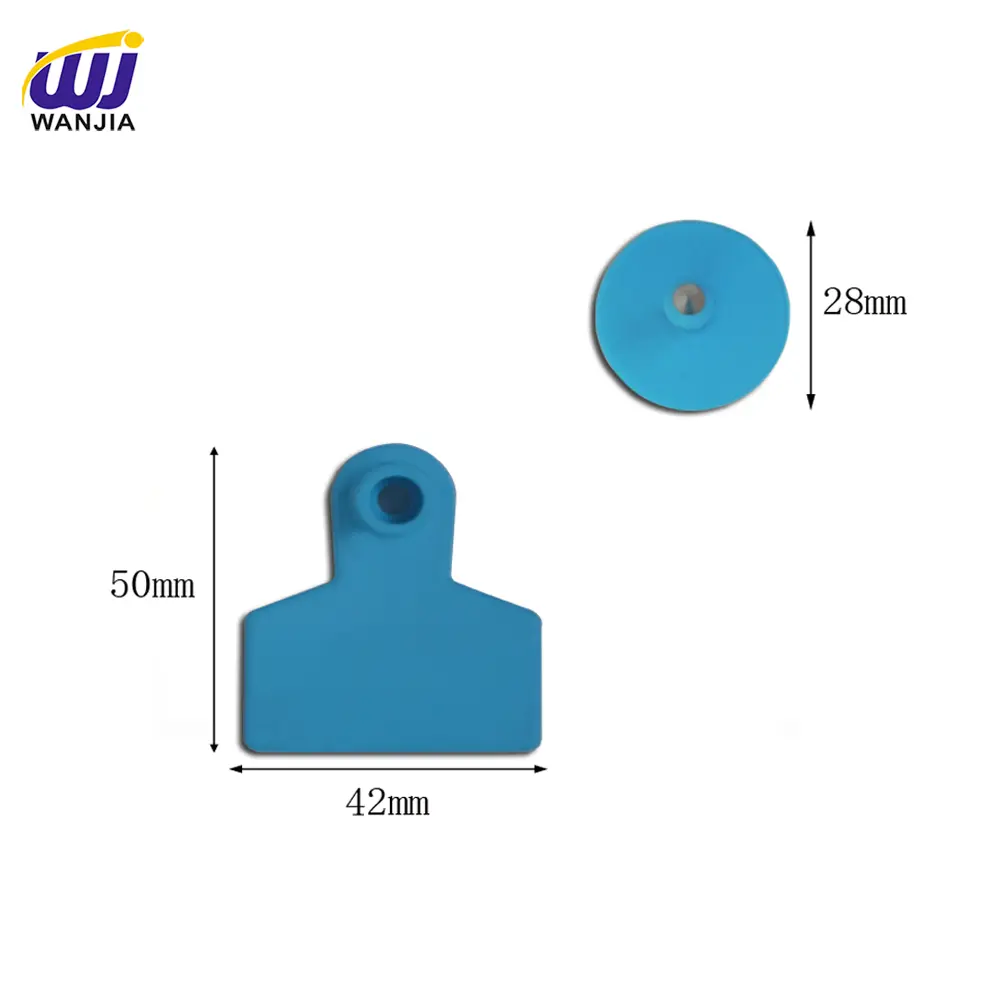
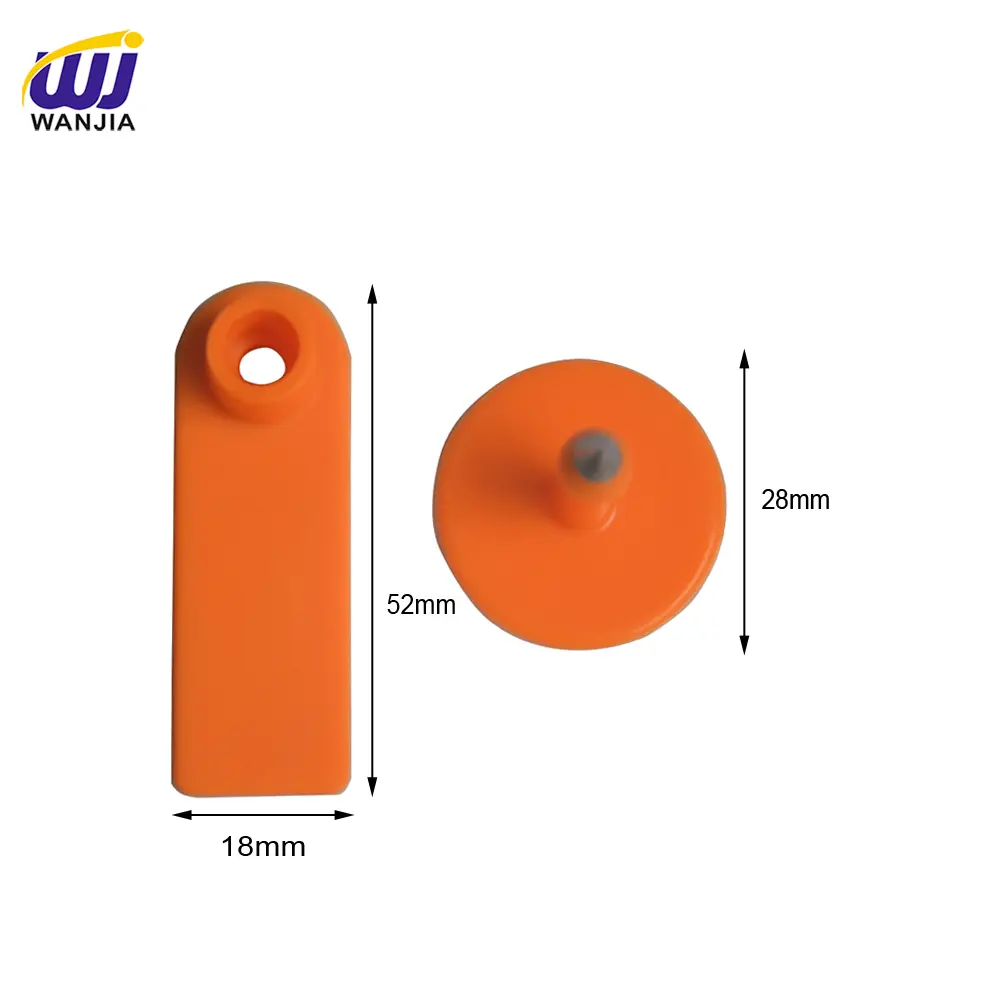
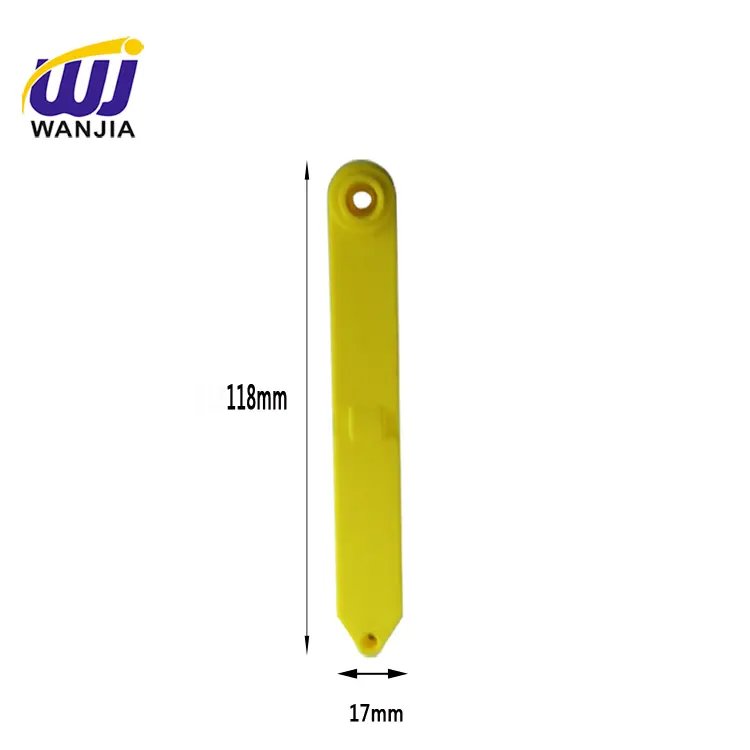
The ear tag consists of two parts: the main tag and the auxiliary tag. The main standard consists of the main standard ear surface, ear neck and ear head. When used, the ear tag head penetrates the livestock ear, inserts the auxiliary tag, fixes the ear tag, and the ear tag neck remains in the piercing. The ear surface carries coded information.
Each ear tag is uniquely numbered, enabling quick and accurate identification of animals. This allows managers to efficiently monitor and manage livestock.
The ear tag number serves as a reference for recording health data, vaccination history, and breeding information for better animal care.
Ideal for large farms, these tags can be linked to electronic tracking systems, improving data management and decision-making efficiency.
Ear tags help reduce the chances of losing animals on expansive properties by providing easy identification and quick location.
These tags ensure compliance with animal health management laws and food safety traceability regulations required in many regions.